Deep carpet cleaning BR1 Bromley High Street: a practical guide for homes and businesses
If you are looking into Deep carpet cleaning BR1 Bromley High Street, you are probably dealing with more than a bit of surface dust. Maybe the carpet has dulled in high-traffic rooms, maybe there is a stubborn spill near the entrance, or maybe the place just needs to feel fresh again. Truth be told, carpets can look "fine" right up until the point they don't. Then you notice the traffic lanes, the flat pile, the faint odour after rain, and suddenly the whole room feels tired.
This guide breaks down what deep carpet cleaning actually involves, when it makes sense, what results to expect, and how to avoid the usual mistakes. It also covers local, real-world considerations for properties around Bromley High Street in BR1, where footfall, weather, and everyday use can make carpets age faster than people expect. You will also find a clear checklist, a comparison table, and answers to common questions so you can make a sensible decision without guesswork.
Why Deep Carpet Cleaning BR1 Bromley High Street Matters
Carpets do more than soften a room. They absorb daily life. Shoes bring in grit, pets bring in dander and the odd accident, food and drink create marks, and even normal walking slowly presses soil into the fibres. On a busy street like Bromley High Street, that build-up can be faster than you realise, especially in homes near entrances, hallways, stairs, and ground-floor rooms.
Deep carpet cleaning matters because routine vacuuming only removes loose debris from the top layer. It does not properly address embedded soil, oily residue, sticky spills, and odours trapped deeper in the pile. Once that grime settles in, carpets can start to look patchy, feel rough underfoot, and hold onto smells that ordinary cleaning never quite touches.
There is also a comfort factor. A deep-cleaned carpet tends to brighten a room in a way that is hard to ignore. The fibres stand up better, colours look fuller, and the whole space feels more looked after. In domestic properties, that can make a living room feel calmer. In commercial settings, it quietly improves first impressions. Not flashy. Just effective.
For some people, the trigger is a visible stain. For others, it is a lingering odour, allergy concerns, or the simple sense that the carpet has reached that dull, matted stage. You do not need to wait until it is embarrassing. Sometimes the best time to book deep carpet cleaning is before the problem becomes obvious to everyone else.
If your property needs broader refreshing rather than just a carpet treatment, a wider service such as deep cleaning or a more routine regular cleaning plan can make sense too. The best choice depends on how much soil has built up and how often the space is used.
How Deep Carpet Cleaning BR1 Bromley High Street Works
Deep carpet cleaning is not one single method. It is a process built around inspection, pre-treatment, agitation, extraction, and drying. The exact method depends on fibre type, pile construction, stain severity, and how much moisture the carpet can safely handle. That part matters more than people think.
In practical terms, a technician usually starts by checking the carpet for fabric type, colour stability, wear patterns, and any existing damage. Wool, synthetic blends, and delicate fibres all react differently. A good clean is never just "spray and hope." It is a measured job, and yes, a bit of judgement is involved.
Most deep carpet cleans include some combination of the following:
- Thorough vacuuming to remove loose grit before wet work begins.
- Spot treatment for specific stains such as tea, coffee, food, or pet marks.
- Pre-spray application to loosen embedded dirt and break down residue.
- Agitation using a brush or machine to help the solution reach deeper into the pile.
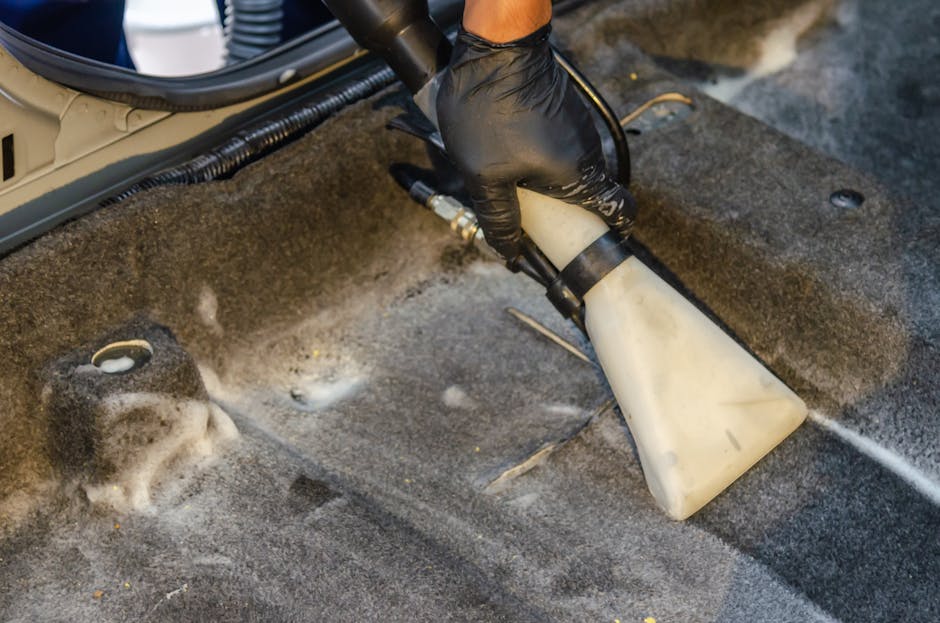
- Hot water extraction or steam carpet cleaning to lift suspended soil out of the fibres.
- Rinse and grooming to improve fibre appearance and reduce sticky residue.
- Drying guidance so the carpet is safe to walk on and less likely to attract new dirt too quickly.
Some people use the phrase "steam cleaning" loosely. In reality, professional carpet cleaning often relies on hot water extraction rather than true steam alone. That distinction is worth knowing, because true steam is not always what is being used. The important thing is whether the method suits the carpet and extracts enough moisture and soil.
For many homes and commercial premises, steam carpet cleaning is one of the most effective ways to lift deep dirt and refresh the pile, especially where foot traffic is heavy. The machine does the hard work, but prep and chemistry still matter a lot. Little things, really, but they add up.
Key Benefits and Practical Advantages
The benefits of deep carpet cleaning are broader than "looks nicer." That is part of it, obviously, but there is usually a longer list once you look closely.
- Improved appearance: carpets often regain colour depth and a more even finish.
- Better odour control: deep cleaning helps reduce trapped smells from spills, pets, damp shoes, and everyday use.
- Cleaner indoor feel: removing embedded debris can make the room feel fresher and less dusty.
- Longer carpet life: grit acts like sandpaper; removing it can reduce premature wear.
- Better stain management: treating marks correctly can stop them becoming permanent.
- More comfortable underfoot: the pile tends to feel softer after proper extraction and grooming.
- Better suitability for move-outs or guest changeovers: important when you need the property to present well, fast.
There is also a practical benefit that gets overlooked: deep cleaning can expose problems early. A carpet that looks "just dirty" might actually have a hidden spill, backing issue, or pet contamination area that needs a more targeted treatment. Catching that early can save time and money later. Nice when that happens, to be fair.
For stubborn odours, it may be wise to combine carpet treatment with pet stain odour removal or broader stain removal work. The point is not to chase the label. The point is to solve the actual problem.
Who This Is For and When It Makes Sense
Deep carpet cleaning is a good fit for a surprising range of people. It is not only for "very dirty" carpets. It is often the right call whenever the carpet has lost its freshness, even if it still looks presentable from a distance.
You might need it if:
- you have a high-traffic hallway, staircase, or living room;
- there have been spills that did not fully disappear after spot cleaning;
- you are moving out and want the property to present properly;
- you are moving in and would rather start with a clean floor underfoot;
- you rent out a property or manage guest turnovers;
- you run a small office or retail space with carpeted areas;
- you have pets, children, or frequent visitors;
- the carpet has started to hold onto odours after wet weather;
- you have not had a professional clean in a long time.
In homes near busy roads or commercial stretches, carpets often need deeper attention because fine dust and foot traffic build up more quickly. In offices and shared spaces, the problem is different but just as familiar: people bring in whatever is on their shoes, and it settles in the entrances and walkways. Happens everywhere.
Commercial clients often look at commercial carpet cleaning or broader commercial cleaning when they need a better standard across reception areas, meeting rooms, or shared corridors. Domestic clients often pair carpet work with house cleaning or a one-off reset after a busy season.
Step-by-Step Guidance
If you want to understand what a proper deep carpet clean should look like, it helps to break it into steps. The sequence below is a sensible, real-world version rather than a fantasy "magic clean" story.
- Inspect the carpet. Check fibre type, wear, stains, and any areas that need special care.
- Pre-vacuum thoroughly. Dry soil must come out first or it can turn into mud once solution is applied.
- Identify problem spots. Note the stains, pet areas, and traffic lanes before treatment begins.
- Apply pre-treatment. A suitable cleaning solution loosens embedded soil and oily residue.
- Agitate gently but properly. This helps the solution work through the pile rather than sitting on top.
- Extract with the right method. Hot water extraction is common, but the technique should match the carpet.
- Rinse where needed. Leaving too much detergent behind can attract dirt later. Nobody wants that.
- Groom the fibres. This helps the carpet dry more evenly and improves the finish.
- Dry safely. Increase airflow and avoid heavy use until the carpet is properly dry.
If you are preparing for a property changeover, it can be worth pairing carpet work with end of tenancy cleaning or move out cleaning. In a moving week, that kind of coordination saves a lot of last-minute stress.
One small but useful detail: ask about drying expectations before the job begins. A decent cleaner should explain how long the carpet may take to dry, what to avoid, and whether furniture can go back immediately. That sort of communication is a good sign.
Expert Tips for Better Results
Here is where a lot of people save themselves frustration. A deep clean works best when the carpet is treated like a living surface, not a flat object. A little care before and after makes a big difference.
- Vacuum well before the appointment. Loose grit gets in the way of deep cleaning.
- Tell the cleaner about every stain. Even the old one in the corner. Especially the old one in the corner.
- Move breakables and small items first. It reduces delays and avoids awkward accidents.
- Test delicate dyes or fibres carefully. Wool and mixed-fibre carpets need more caution.
- Keep pets and children off the carpet while drying. It sounds obvious, but in real life, things happen.
- Use mats at entrances afterwards. This slows down re-soiling and protects the cleaned area.
- Treat spills quickly later on. Early intervention is still the best stain strategy.
When carpets sit alongside upholstery, curtains, or mattresses that also need attention, a joined-up clean can be smarter than tackling each item separately. For example, upholstery cleaning or curtain cleaning may be useful if the room feels tired rather than just the carpet.
Expert summary: the best carpet results usually come from good preparation, the right chemistry, controlled moisture, and enough drying time. Quick is useful. Proper is better.
Common Mistakes to Avoid
Most carpet disappointments come from a handful of avoidable mistakes. Honestly, they are usually simple things.
- Using too much water: this can lengthen drying time and increase the risk of lingering dampness.
- Scrubbing stains aggressively: that can spread the mark or damage fibres.
- Leaving detergent residue behind: sticky residue can attract new soil quickly.
- Cleaning without testing: especially risky on wool, dyed, or older carpets.
- Ignoring odour sources: if the smell comes from padding, not just the surface, a top-only clean may disappoint.
- Waiting too long between cleans: old embedded soil becomes harder to remove.
- Choosing the wrong method for the carpet: one size does not fit all.
Another common mistake is assuming the carpet is the only issue when the room feels dull. Sometimes the floors around it are the real problem. In those cases, hard floor cleaning or even a wider one off cleaning visit makes the space feel properly reset, not just partially improved.
And yes, there is such a thing as over-cleaning a carpet. If a carpet is already in fair condition, repeated heavy wet cleaning without need can be unnecessary. Sensible timing matters.
Tools, Resources and Recommendations
You do not need to be a technician to understand the main tools involved. Knowing the basics helps you judge whether a service is well prepared.
Useful equipment and materials typically include:
- High-filtration vacuum cleaners for dry soil removal.
- Pre-spray formulations chosen for the fibre and soil type.
- Spotting agents for tea, food, grease, ink, or pet-related marks.
- Agitation tools such as brushes or machine heads to work solution into the pile.
- Extraction machines for lifting soil and moisture back out.
- Air movers or ventilation support to speed drying.
- Protective pads or coverings where furniture needs to be kept off damp carpet.
From a homeowner's point of view, the best "resource" is really a good service conversation. Ask what method they intend to use, how they assess fibres, and whether stain treatment is included or priced separately. Clear answers usually mean clear workmanship.
If you are comparing service types, a broader carpet cleaning package may be enough for light soil, while deep cleaning is better when buildup is obvious or the carpet has not been professionally treated for a long time. Rugs may need a different approach again, so rug cleaning is worth considering for portable items.
Law, Compliance, Standards, or Best Practice
There is not usually a special legal rule for carpet cleaning itself, but good practice still matters. In the UK, professional cleaners should work carefully around health and safety, chemical handling, electrical equipment, slip risk, and property damage prevention. That is especially relevant in busy premises, shared buildings, or homes with vulnerable occupants.
A few sensible best-practice expectations are worth keeping in mind:
- Risk awareness: wet floors can be slippery, so access should be managed during and after cleaning.
- Safe product use: cleaning agents should be selected and applied appropriately for the fibre and soil level.
- Insurance and accountability: customers should know how the provider handles accidental damage or complaints.
- Clear communication: drying times, exclusions, and any special conditions should be explained in advance.
- Data and privacy care: if a business collects customer details, those should be handled responsibly.
It can also help to work with a provider that explains its own standards clearly, such as its health and safety policy, insurance and safety approach, and terms and conditions. Those pages do not clean a carpet, of course, but they do tell you a lot about how the business operates. That part is often underestimated.
For customers who care about sustainability, it is also sensible to ask how waste water, packaging, and product use are handled. A provider's recycling and sustainability information can help you understand whether they take that seriously or just mention it in passing.
Options, Methods, or Comparison Table
Different carpet-cleaning methods suit different situations. The "best" option depends on fibre type, soil depth, drying time tolerance, and the condition of the carpet. Here is a simple comparison to make that clearer.
| Method | Best for | Strengths | Watch-outs |
|---|---|---|---|
| Hot water extraction | Heavily used domestic and commercial carpets | Strong soil removal, good deep refresh, widely trusted | Needs proper drying and correct application |
| Low-moisture cleaning | Light to moderate soil, quick turnaround needs | Faster drying, convenient for busy premises | May be less effective on deeply embedded dirt |
| Spot treatment only | Small isolated marks | Fast and targeted | Does not refresh the whole carpet |
| Dry compound methods | Some sensitive settings or moisture-sensitive areas | Minimal water use | Not always ideal for heavy staining |
For many customers around Bromley High Street, hot water extraction is the balanced choice because it goes deeper than a simple surface refresh without being overly disruptive. That said, if a room needs to reopen quickly, a lighter process may be the better call. The trick is matching the method to the real need, not the headline.
If you are comparing carpet work with other reset services, it may also be useful to look at move in cleaning or office cleaning depending on the property type. Different settings have different priorities, and that is fine.
Case Study or Real-World Example
Here is a typical real-world scenario. A small flat near Bromley High Street has a living room carpet that looks tired rather than filthy. There is a faint dark path where people walk most often, a tea mark near the sofa, and a slightly musty smell after a wet week. Nothing dramatic. But enough to bother the owner every time they sit down.
A sensible deep-clean plan would start with inspection and pre-vacuuming, then address the tea mark with a targeted stain treatment before cleaning the whole room using hot water extraction. The traffic lane would need extra attention because it contains compacted soil, and the drying plan would matter because the room is compact with only one main window. If a sofa or rug is part of the same room, those items could be treated alongside the carpet for a more complete refresh.
What tends to surprise people in this kind of situation is how much the room changes afterwards. The stain may not vanish perfectly if it has chemically set, but the carpet often looks more even, lighter, and noticeably fresher. More importantly, the room stops feeling a little bit "off." That is often the real result people are after.
In commercial spaces, the pattern is similar but the scale changes. A small office reception with worn entrance carpet may not need replacement. It may need cleaning, a sensible maintenance plan, and perhaps follow-up regular cleaning to stop the problem returning too quickly. Practical, not glamorous. But effective.
Practical Checklist
Use this checklist before booking or carrying out deep carpet cleaning BR1 Bromley High Street. It keeps the process grounded and avoids the usual "we should have asked that earlier" moment.
- Confirm the carpet type if you know it.
- Note any stains, odours, or high-traffic areas.
- Move small items, fragile items, and loose clutter.
- Vacuum the carpet before the visit where possible.
- Ask which cleaning method is planned and why.
- Check how long drying is likely to take.
- Ask whether stain treatment is included or separate.
- Confirm what happens if the carpet has old damage or pre-existing marks.
- Arrange ventilation or airflow for after the clean.
- Keep pets and children away from damp carpet until it is ready.
- Ask about insurance, safety, and complaint handling if you are hiring a provider.
If you want a cleaner, more complete refresh, it can also be worth checking whether the room needs sofa cleaning, mattress cleaning, or even window cleaning as part of a wider spring clean. Sometimes the whole space just benefits from one coordinated visit.
Get a free quote today and see how much you can save.
Conclusion
Deep carpet cleaning BR1 Bromley High Street is not just about making a carpet look tidy for a day or two. It is about removing embedded soil, improving the feel of the room, reducing stubborn odours, and extending the usable life of the carpet. When done properly, the difference is obvious without being over-the-top. The room simply feels better to be in.
The main thing is to choose the right method, ask the right questions, and avoid shortcuts that leave residue or trap moisture. If you are dealing with a home, office, rental property, or guest space, a well-planned clean can make a surprisingly big difference. Not magic. Just good workmanship and a bit of common sense.
And if the carpet is only part of the story, that is fine too. Sometimes a property needs a deeper reset, sometimes just targeted help. Either way, a clean space tends to change how people feel when they walk in. That's the bit worth aiming for.
Frequently Asked Questions
What is deep carpet cleaning, and how is it different from basic carpet cleaning?
Deep carpet cleaning goes further than routine vacuuming or light surface cleaning. It is designed to remove embedded dirt, trapped odours, and deeper stains from the pile, not just the top layer.
How often should carpets be deep cleaned in BR1?
It depends on usage. A busy family home, a property with pets, or a high-traffic commercial area may need it more often than a low-use room. The real clue is usually appearance, feel, and smell rather than a fixed calendar date.
Will deep carpet cleaning remove all stains?
Not always. Some stains set permanently, especially if they have been there for a long time or were treated with the wrong product earlier. A good clean can still improve the appearance a lot, even if every mark does not vanish completely.
How long does a carpet take to dry after deep cleaning?
Drying time varies by method, room airflow, carpet thickness, and how much soil was removed. Some carpets dry faster than others, so it is sensible to ask in advance and plan accordingly.
Is steam carpet cleaning safe for wool carpets?
It can be, but only if the method and products are suitable for wool. Wool is more delicate than many synthetic fibres, so careful testing and proper control matter. A cautious approach is usually the right one.
Can deep cleaning help with pet smells?
Yes, often it can. Pet odours usually sit in the fibres and sometimes deeper in the backing. For stronger cases, a targeted pet stain odour removal treatment may be needed alongside the main carpet clean.
Is it worth deep cleaning an older carpet?
Yes, if the carpet is still structurally sound. Older carpets can still benefit from a thorough clean even if they no longer look brand new. If the pile is badly worn or the backing is failing, though, cleaning may have limited impact.
Should furniture be moved before the clean?
Usually small items should be moved before the appointment, and larger furniture should be discussed in advance. That helps the cleaner work efficiently and reduces the chance of delays or awkward handling.
What is the best method for busy homes near Bromley High Street?
Hot water extraction is often a strong choice for busy homes because it reaches deeper into the pile and deals well with everyday soil. That said, the best method depends on carpet type and how quickly the room needs to be back in use.
Can deep carpet cleaning be combined with other services?
Absolutely. Many people combine it with one off cleaning, upholstery cleaning, or rug cleaning for a more complete refresh. That can be especially sensible before a move or after a busy season.
Do I need to prepare the room before the cleaners arrive?
A little preparation helps a lot. Clear away small items, mention stains, and make sure the cleaner can access the carpet edges. It is one of those small things that makes the whole job smoother, honestly.
How do I know if a carpet cleaner is trustworthy?
Look for clear explanations, sensible questions about your carpet, and straightforward information about safety, insurance, and complaints handling. A trustworthy provider should make you feel informed rather than rushed.
What if my carpet still looks dull after cleaning?
That can happen if the carpet is heavily worn, if stains have permanently altered the fibres, or if residue from past cleaning is affecting the pile. In those cases, a second method or a broader carpet assessment may be needed.
Sometimes the best outcome is not perfection, just a proper improvement. And that, in the end, is often exactly what a room needs.